Our Fellows
Dr. Clint Aichele
Clint Aichele, Ph.D., is a distinguished professor and researcher specializing in Chemical and Biomolecular Engineering. He holds a Ph.D. from Rice University and a B.S. from Oklahoma State University. His research focuses on interfacial phenomena, emulsion stability, flow assurance, separations, and reservoir wettability alteration. With innovative techniques and advanced equipment, Dr. Aichele explores solids partitioning at interfaces, the role of nanoparticles in emulsions, hydrate formation dynamics, and strategies for hydrocarbon recovery. His work has broad applications across energy, agriculture, pharmaceuticals, and environmental sustainability, making significant contributions to the field of chemical engineering.
Dr. Hasan Atiyeh
Dr. Hasan Atiyeh is a Professor in the Department of Biosystems and Agricultural Engineering at Oklahoma State University. He received his Ph.D. in Chemical Engineering from the University of Ottawa, Canada, and has extensive academic and industrial experience in bioprocess engineering, carbon utilization, fermentation, reactor design, hydrogen conversion, and process scale-up.
His research focuses on developing technologies that convert biomass, carbon-rich gases, and industrial waste streams into fuels, chemicals, clean water, and other value-added products. His work integrates biological conversion, carbon capture and utilization, syngas fermentation, waste valorization, and resource recovery to improve energy efficiency, reduce emissions, and support circular economy solutions. His current research interests include biological syngas conversion to fuels and chemicals, carbon dioxide and hydrogen utilization, waste-to-energy systems, produced water treatment and reuse, critical mineral recovery, and sustainable aviation fuel production. Ongoing projects supported by USDA-NIFA, the Sun Grant Initiative, and industry collaborators focus on carbon utilization, bioprocess development, and integrated energy-water-carbon systems.
Dr. Atiyeh has published more than 65 peer-reviewed journal articles, authored three book chapters, delivered over 200 technical presentations, and is the inventor of five issued U.S. patents. His research program has received more than $5.7 million in external funding. He is a Senior Member of the American Institute of Chemical Engineers (AIChE), a member of the American Society of Agricultural and Biological Engineers (ASABE) and the American Society for Engineering Education (ASEE), and a licensed Professional Engineer.
Dr. Prem Bikkina
Dr. Prem Bikkina serves as a Professor, Harold Courson Chair, and Petroleum Program Director at Oklahoma State University. He earned his B.S. and M.S. in Chemical Engineering from NIT Warangal and IIT Guwahati, respectively, followed by a Ph.D. in Petroleum Engineering from the University of Tulsa and a postdoctoral fellowship at Lawrence Berkeley National Laboratory. Dr. Bikkina's research focuses on Enhanced Oil Recovery (EOR), Carbon Capture, Utilization, and Storage (CCUS), wettability-based dissolved gas separation and nucleate boiling, as well as ML/AI applications for CO2-EOR and CCUS. His work has led to numerous high-impact journal publications, patents, and significant funding from diverse sources.
He is an Associate Editor for Petroleum Science and Technology and has extensive experience as a peer reviewer for journals and funding agencies. Dr. Bikkina has received several prestigious awards, including the 2024 Outstanding Graduate Faculty Award, the 2024 CEAT Excellent Scholar Award, the 2019 CEAT Excellent Teacher Award, the 2017 SPE Regional Distinguished Achievement Award for Petroleum Engineering Faculty, and the 2016 SPE Mid-Continent Regional Service Award. He is an active member of multiple professional organizations.
Learn more about Dr. Bikkina on his LinkedIn profile.
 Dr. Xiaofeng Chen
Dr. Xiaofeng Chen is an Assistant Professor at the Boone Pickens School of Geology at Oklahoma State University. He earned his Ph.D. in Geology from the University of Oklahoma in 2015, preceded by a Master’s in Material Engineering from the Chinese Academy of Sciences in Beijing, China, and a Bachelor’s in Material Science from Fudan University in Shanghai, China. He pursued postdoctoral research in fracture mechanics at the University of Texas at Austin from 2015 to 2018. Prior to his current role, Chen held positions as a Research Specialist and Scientist at Texas A&M University (2019–2024) and Research Associate at the University of Oklahoma (2018–2019). His expertise lies in dynamic fault weakening, fracture mechanics, and reservoir seal integrity. Chen has published extensively in high-impact journals, contributing groundbreaking research on fault asperity failure, subsurface applications, and fracture behavior. Beyond his research, he is an experienced educator, teaching courses on geology and experimental rock deformation across multiple institutions. He is an active member of the American Geophysical Union and serves as a reviewer for leading scientific journals. Chen’s work bridges the gap between experimental and theoretical studies, advancing understanding in geology and material science.
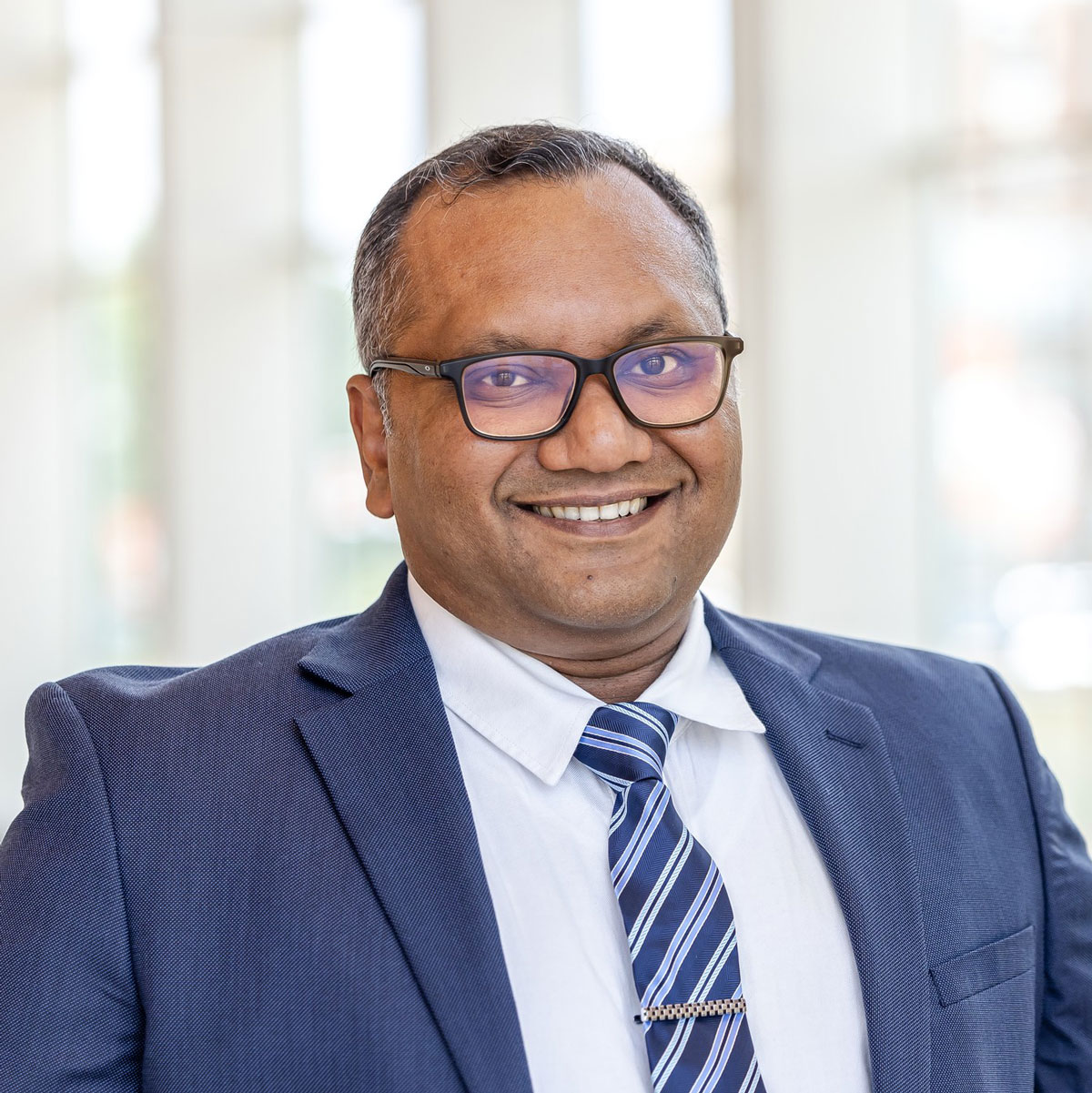 Muhammad Jujuly
Professor Jujuly is a professional engineer with over a decade of experience spanning academia, research, and industry. Currently serving as a Teaching Assistant Professor in the Fire Protection and Safety Technology (FPST) program at Oklahoma State University's College of Engineering, Architecture, and Technology (CEAT), he specializes in process safety, fire modeling, computational modeling, and probabilistic risk assessment. Prior to joining OSU, Professor Jujuly was a Senior Instructor II at Cape Breton University, where he taught core engineering courses and supervised capstone projects focusing on gas transmission pipeline integrity and reliability engineering.
He has extensive industrial experience, including serving as a Technical Lead in Risk Modeling at JANA Corporation, where he developed advanced risk models for the gas transmission pipeline. The work involved performing integrity assessments, consequence analyses, and failure probability modeling. In previous roles, Professor Jujuly led research projects at Memorial University's Centre for Risk, Integrity, and Safety Engineering (C-RISE), where they developed computational fluid dynamics (CFD) models for subsea pipeline leak detection and fire and explosion consequence analysis.
Holding master’s degrees in Process Safety and Chemical Engineering from Memorial University of Newfoundland, in Canada and Yeungnam University, South Korea, and bachelor’s in chemical engineering from BUET, Dhaka, Professor Jujuly has published extensively on topics related to pipeline safety, CFD modeling, and risk assessment. He received NSERC Engagement Grant and the MITACS Accelerate Fellowship. As a licensed Professional Engineer (PEGNL) and active member of professional bodies such as the Society of Petroleum Engineers (SPE) and the American Institute of Chemical Engineers (AIChE), Professor Jujuly remains dedicated to advancing safety engineering through innovative research, teaching excellence, and industry collaboration.
List of Research activities:
- Computational Fluid Dynamics Modeling for the Pipeline Leak Detection System (LDS) in Offshore and Arctic Conditions (with Memorial University of Newfoundland and INTECSEA Canada).
- Multiphase flow CFD model for natural gas pipeline hydrate induced vibration (with Memorial University and GRi Simulations Canada).
- Fire and explosion modeling for LNG storage tank and consequence analysis (with Memorial University and C-RISE, Canada).
- Computational fluid dynamics (CFD) based approach to consequence assessment of accidental release of hydrocarbon during storage and transportation (with MUN).
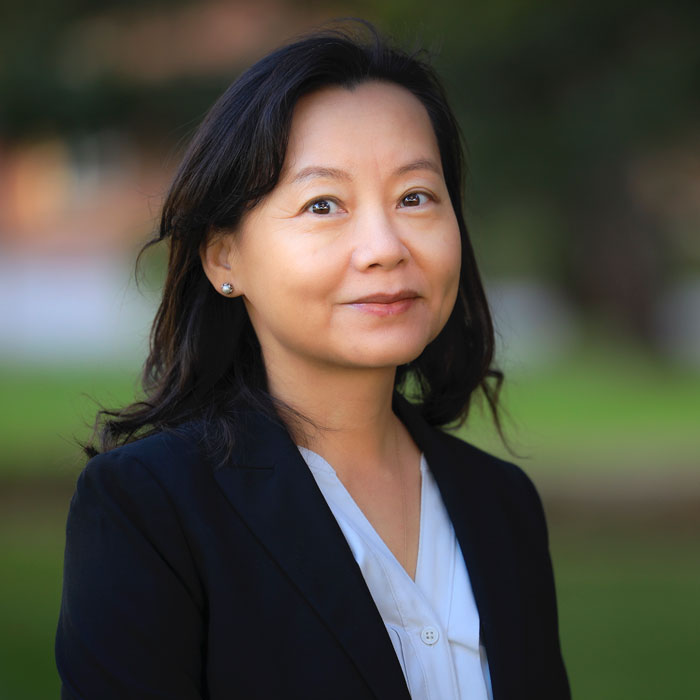
Dr. Lixia Lambert
Dr. Lixia H. Lambert is an Associate Professor of Natural Resource and Environmental Economics in the Department of Agricultural Economics at Oklahoma State University. She holds a Ph.D. in Agricultural Economics from Purdue University (2004) and an M.S. in Industrial Engineering from the University of Tennessee (2018).
Dr. Lambert’s research investigates how economic incentives and policy design affect the sustainable management of natural resources. Her work spans bioenergy development, forest carbon sequestration, and agricultural water use, domains that are linked through the water-energy-food nexus and where policy choices in one area often carry significant consequences for the others. For more than a decade, she has contributed to the U.S. Department of Energy’s Billion-Ton Report (2016 and 2023), collaborating with colleagues at the University of Tennessee to develop the Forest Sustainable and Economic Analysis Model. This model estimates the economic and environmental potential of woody biomass resources across the United States. She is also part of a United States Department of Agriculture National Institute of Food and Agriculture (USDA-NIFA) funded multi-institutional project involving Kansas State University, Texas Tech University, and NASA that aims to develop water-smart production systems to address groundwater depletion in the Ogallala Aquifer region. More recently, her research has expanded into global energy security, examining how geopolitical disruptions affect international LNG trade flows using Computable General Equilibrium (CGE) modeling. Her research has been supported by the USDA, the U.S. Department of Energy, and the U.S. Environmental Protection Agency.
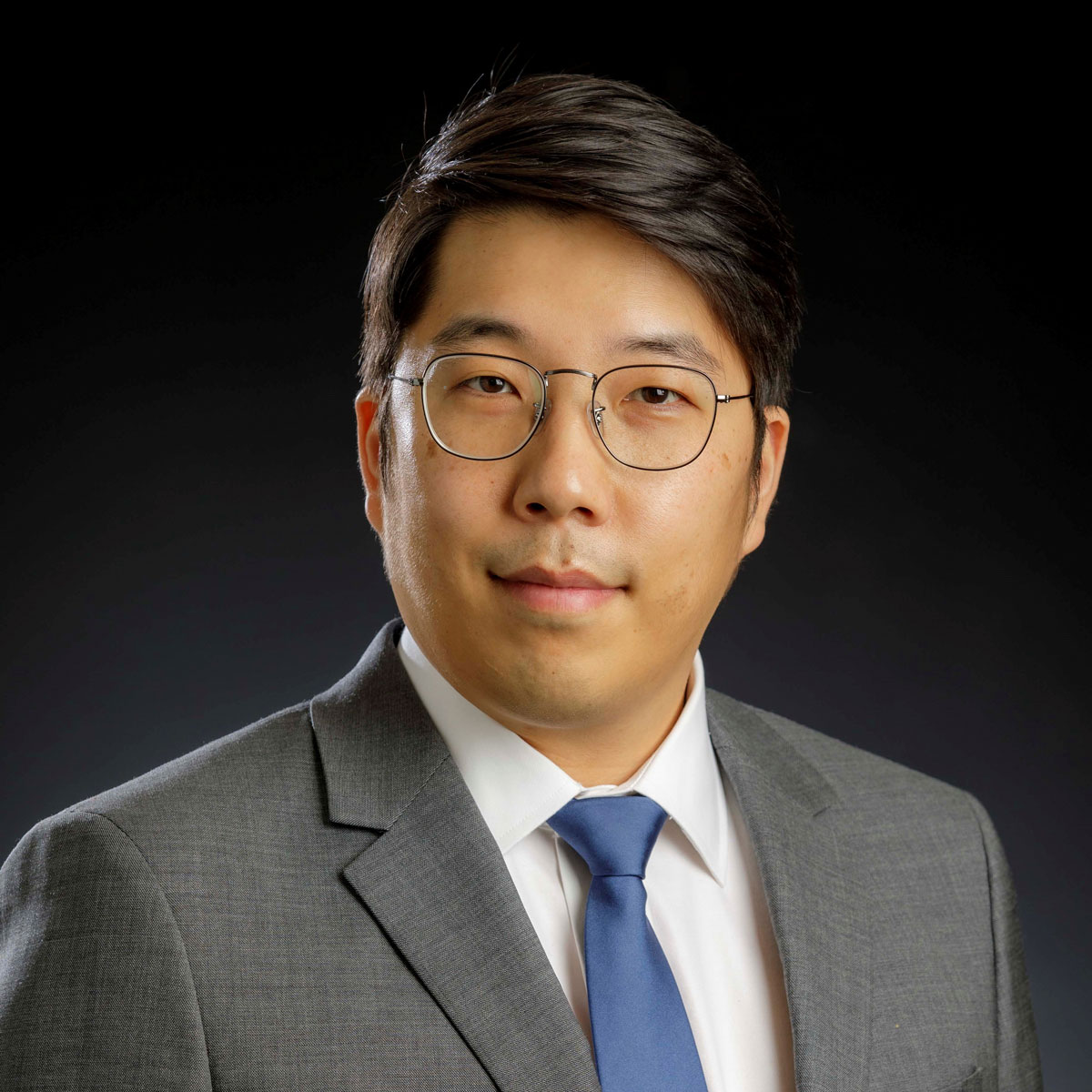
Dr. Hunjoo Lee
Dr. Hunjoo P. Lee is an Assistant Professor in the Petroleum Engineering Program in the School of Chemical Engineering at Oklahoma State University (OSU). He earned his B.S. in Civil, Urban and Geosystems Engineering from Seoul National University and his M.S.E. and Ph.D. in Petroleum Engineering from The University of Texas at Austin, where he also completed postdoctoral research in subsurface energy systems. His research focuses on reservoir geomechanics and subsurface energy systems, with emphasis on hydraulic fracturing, rock fracture mechanics, and induced deformation processes.
Dr. Lee leads the GRIT (Geomechanics and Rock-Physics for In-situ Technologies) research group, developing interdisciplinary solutions for sustainable subsurface engineering. His work addresses challenges in hydrocarbon recovery, enhanced geothermal systems (EGS), and emerging in-situ energy technologies, supported by projects funded by the U.S. Department of Energy and industry partners. He integrates laboratory experiments, numerical modeling, and field-relevant applications to improve the efficiency, safety, and scalability of energy production and storage.
Dr. Lee is also committed to education and professional service. As Faculty Advisor to the OSU Society of Petroleum Engineers (SPE) Student Chapter, he mentors students and supports nationally recognized programs that promote leadership and innovation in energy engineering.
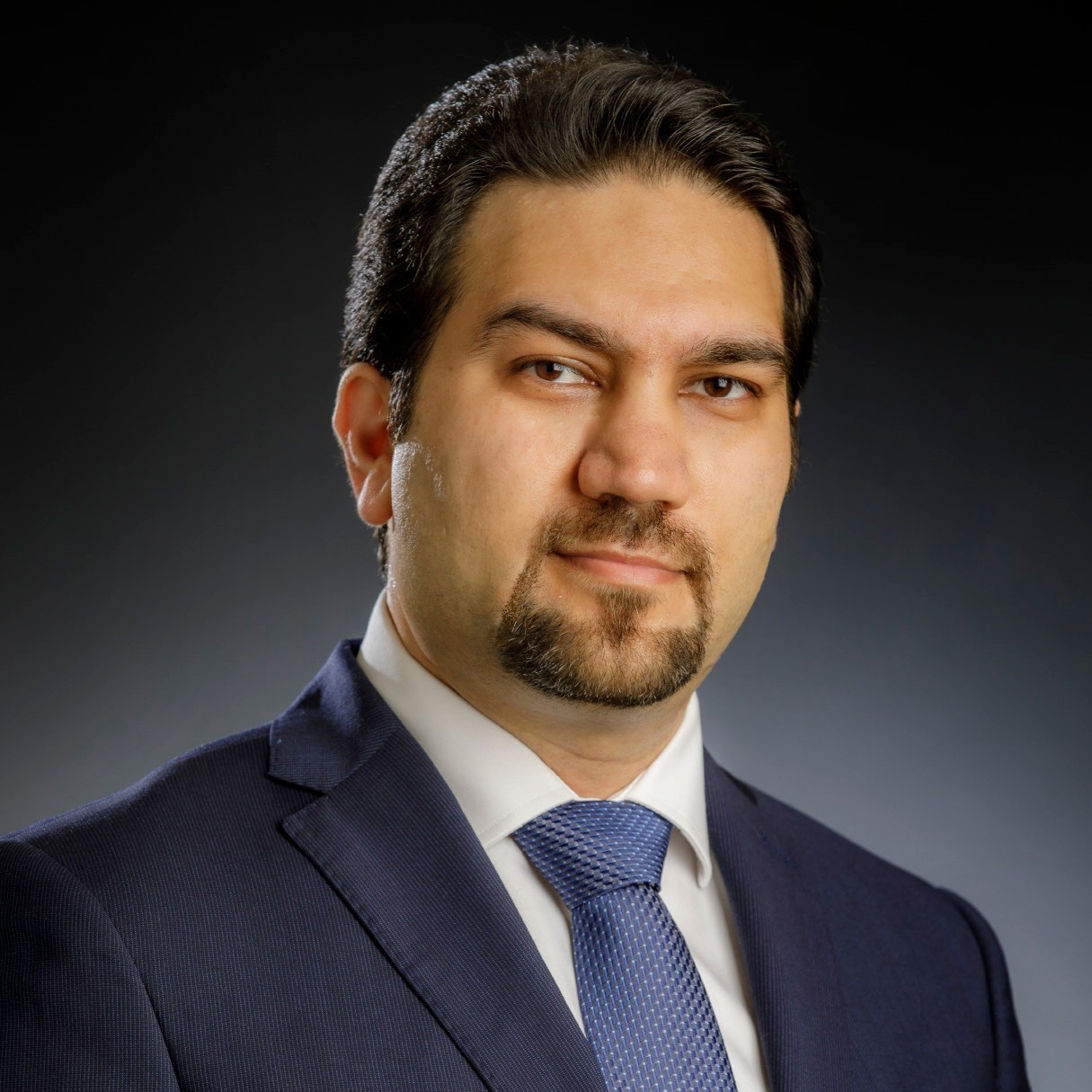
Dr. Hamid Nazaripouya
Dr. Hamid Nazaripouya is an Assistant Professor at Oklahoma State University and an Assistant Adjunct Professor at the University of California, Riverside (UCR). His research focuses on power grid modernization, with an emphasis on automation, sustainability, and resilience. He develops advanced mathematical models, AI-driven data analytics, control strategies, optimization algorithms, and smart grid technologies to advance next-generation power and energy systems.
Dr. Nazaripouya is an experienced power systems engineer with a strong industry background, including professional experience at Entergy Corporation, a major utility company operating approximately 30,000 MW of generating capacity. He currently serves as Lead Principal Investigator on multiple multi-million-dollar research projects and as Co-Principal Investigator on several additional active projects.
His contributions have been recognized through numerous honors and awards, including the Distinguished Fellow of ECE Award, the IEEE San Fernando Valley Section Rookie of the Year Award, IEEE IAS and PES Presentation Awards, and the University of California Dissertation-Year Fellowship.
Dr. Nazaripouya received the B.S. degree in Electrical Engineering from the University of Tehran, Iran, the M.Sc. degree in Power Electronics from Sharif University of Technology, Tehran, Iran, and the M.Sc. degree in Power Systems from Louisiana State University, USA. He earned the Ph.D. degree in Electrical Engineering from the University of California, Los Angeles (UCLA).
 Dr. James Payne
Dr. James E. Payne is Dean of the Spears School of Business at Oklahoma State University and holds the Norman and Suzanne Myers Endowed Chair and the Richard W. Poole Professorship. In addition to his over twenty years of leadership and administrative experience in higher education, Dr. Payne has continued to be an active researcher in applied economics with his more recent work focused on energy and financial economics. Dr. Payne has published more than 300 peer-reviewed journal articles in such outlets as the Review of Economics and Statistics, Economic Inquiry, Journal of Economic History, Canadian Journal of Economics, Southern Economic Journal, Economics Letters, Energy Economics, Ecological Economics, Public Choice, Journal of Macroeconomics, Annals of Tourism Research, Real Estate Economics, Journal of Real Estate Finance and Economics, Journal of Regional Science, Journal of Risk and Insurance, Journal of Financial Research, Studies in Nonlinear Dynamics and Econometrics, European Journal of Political Economy, and Economic Modelling, to name a few, which has generated nearly 25,000 citations to his research. His scholarly work has been recognized in the Stanford-Elsevier global ranking of researchers. Dr. Payne served as a Fulbright Research Scholar and a Fulbright Senior Specialist at the Institute of Economics in Zagreb, Croatia. Dr. Payne is also an associate editor and editorial board member for several academic journals. Dr. Payne received his B.A. in Economics from Berea College along with his M.S. and Ph.D. degrees in Economics from Florida State University.
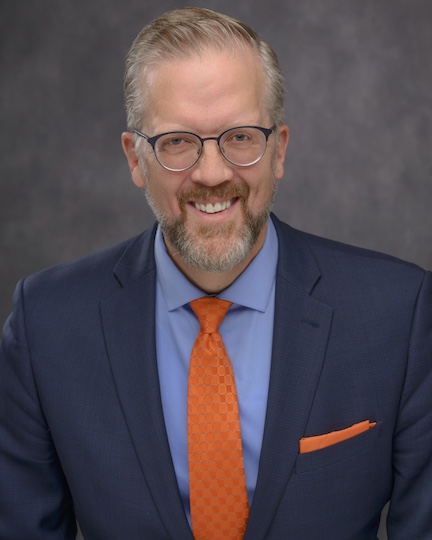 Andrew Ranson
Andrew Ranson is the Director of the Oklahoma State University Wes Watkins Center for International Trade Development (CITD), a position he has held since 2019. He is also the founder and president of strategy consultancy mozaYk13. Previously, Andrew served as Executive Vice President for TriCorps Technologies and Partner with Future Point of View, focusing on digital transformation strategies. His career includes roles as Executive Partner with GiANT Partners and President of GiANT Capital Fund I. Early in his career, he was an Associate Consultant with the Boston Consulting Group in Hong Kong and worked in logistics for an international Import/Export company in New York.
Andrew graduated magna cum laude from Dartmouth College with a BA in Asian Studies and summa cum laude from Oklahoma Baptist University with an MBA in international business. He holds a Lean SixSigma Green Belt Certification from Villanova University and the Certified Global Business Professional (CGBP) qualification from NASBITE International. Andrew was a founding Board member and president of Our Daily Bread Food and Resource Center in Stillwater and is currently President of the Board of Directors and Chair of Global Oklahoma.
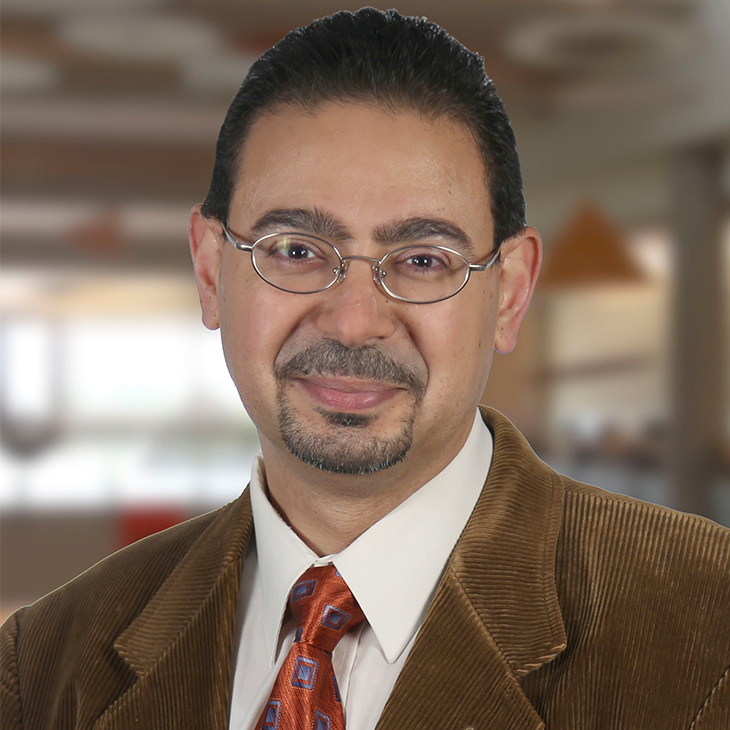
Dr. Khaled Sallam
Dr. Khaled Sallam is an Associate Professor and Associate Head in the School of Mechanical and Aerospace Engineering at OSU–Tulsa, where his research advances the energy–water nexus: energy-efficient approaches to securing clean water for Oklahoma and underserved communities. His work focuses on atmospheric water harvesting tuned to humid regions and seasons, and on the treatment of hypersaline brines and produced water generated by the oil and gas industry—turning a disposal liability into a recoverable resource while reducing its energy cost.
Through his ThermoFluids Lab, Dr. Sallam leads and collaborates on projects funded by federal and state agencies. He serves as Co-Principal Investigator on a NitroLift/OCAST produced-water treatment effort and will lead a Water Resources Center of Oklahoma project on atmospheric water harvesting, building on a broader program in experimental fluid mechanics, multiphase flows, and energy systems.
Committed to interdisciplinary collaboration, he works with colleagues in chemical engineering, materials science, and the energy sciences to identify research directions that are technically rigorous and practically deployable. He is also an active educator and mentor, serving as faculty advisor to both the OSU-Tulsa ASME student section and ASHRAE student branch.
 Dr. John Schoeneman
Dr. John Schoeneman is an assistant professor at Oklahoma State University in the School of Global Studies and is the Associate Director for Research at the Wes Watkins Center for International Trade Development. Substantively, his research agenda focuses on international economic and political networks with a particular interest in foreign direct investment, trade policy, and energy security. Methodologically, his interests are social network analysis models, text analysis, and machine learning. In addition to his scholarship, his international experience includes living and working in South Korea, Japan, and China.
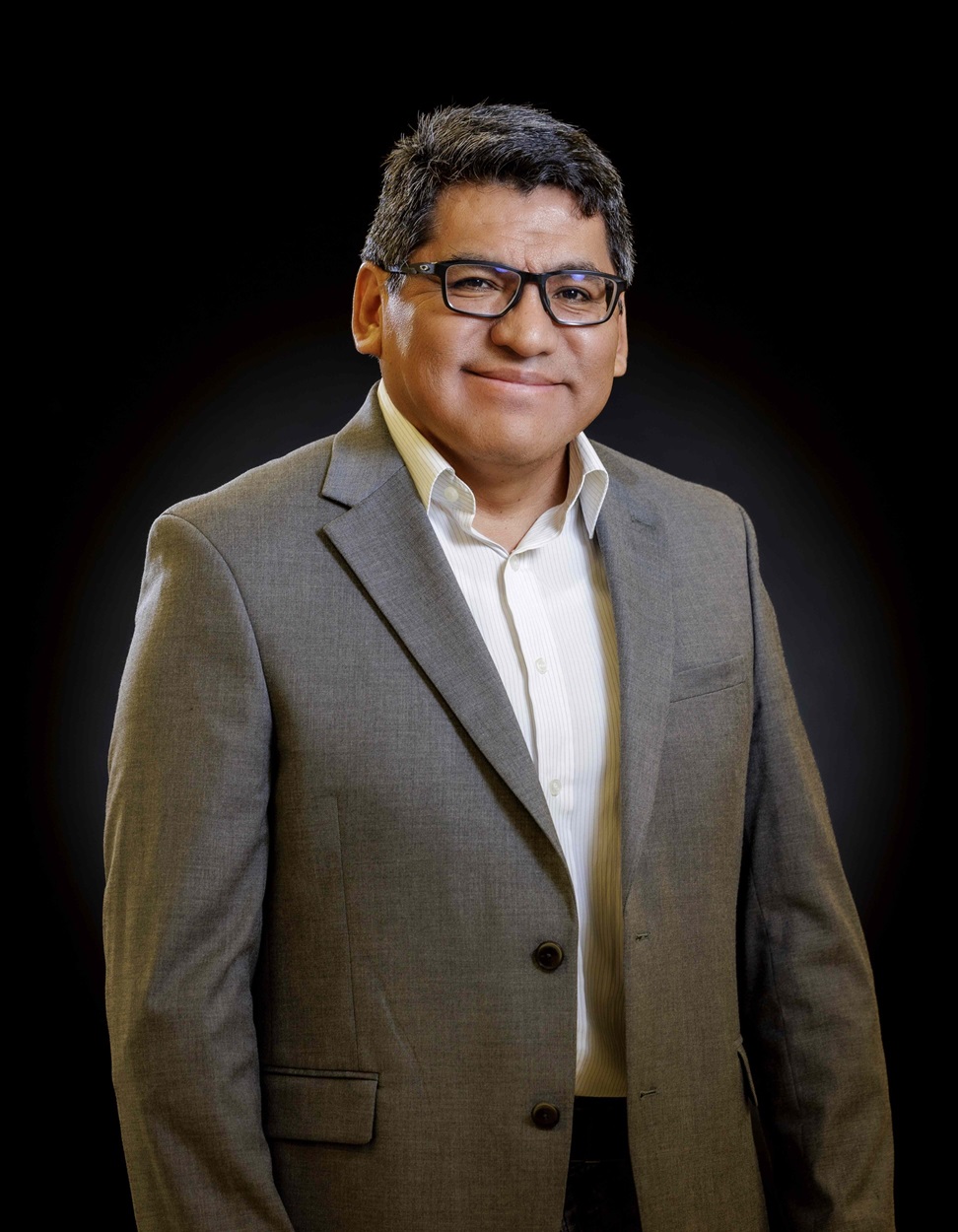 Dr. Javier Vilcáez
Dr. Javier Vilcáez serves as a Professor in the Boone Pickens School of Geology at Oklahoma State University. His specialty is on energy, mineral, and groundwater resources development from subsurface. His research is on the Water-Energy-CO2 nexus, aiming to advance the transition toward a net-zero emissions energy future. Dr. Vilcáez earned a PhD degree from Tohoku University (Japan) and an MS degree from Gunma University (Japan). His prior academic roles include tenure-track Assistant Professor at the University of Tokyo (Japan) and Postdoctoral Fellow/Scholar at both the Pennsylvania State University (U.S.) and Tohoku University (Japan). His industry experience includes working as a Production and Drilling Fluids Engineer. To date, he has published nearly 50 peer-reviewed articles as first and/or corresponding author.
His publications are on the computational and experimental aspects of Mining of Metals from Gangue Minerals and Brines, Enhanced Oil Recovery and Upgrading of Heavy Oil, Geological Carbon Storage, Biogenic and Hydrothermal Production of Hydrogen, and Petroleum Produced Water Treatment and Disposal. Dr. Vilcáez won the prestigious Monbusho Scholarship Award offered by the Japanese government as well as the Fulbright U.S. Scholar Award offered by the U.S. government.
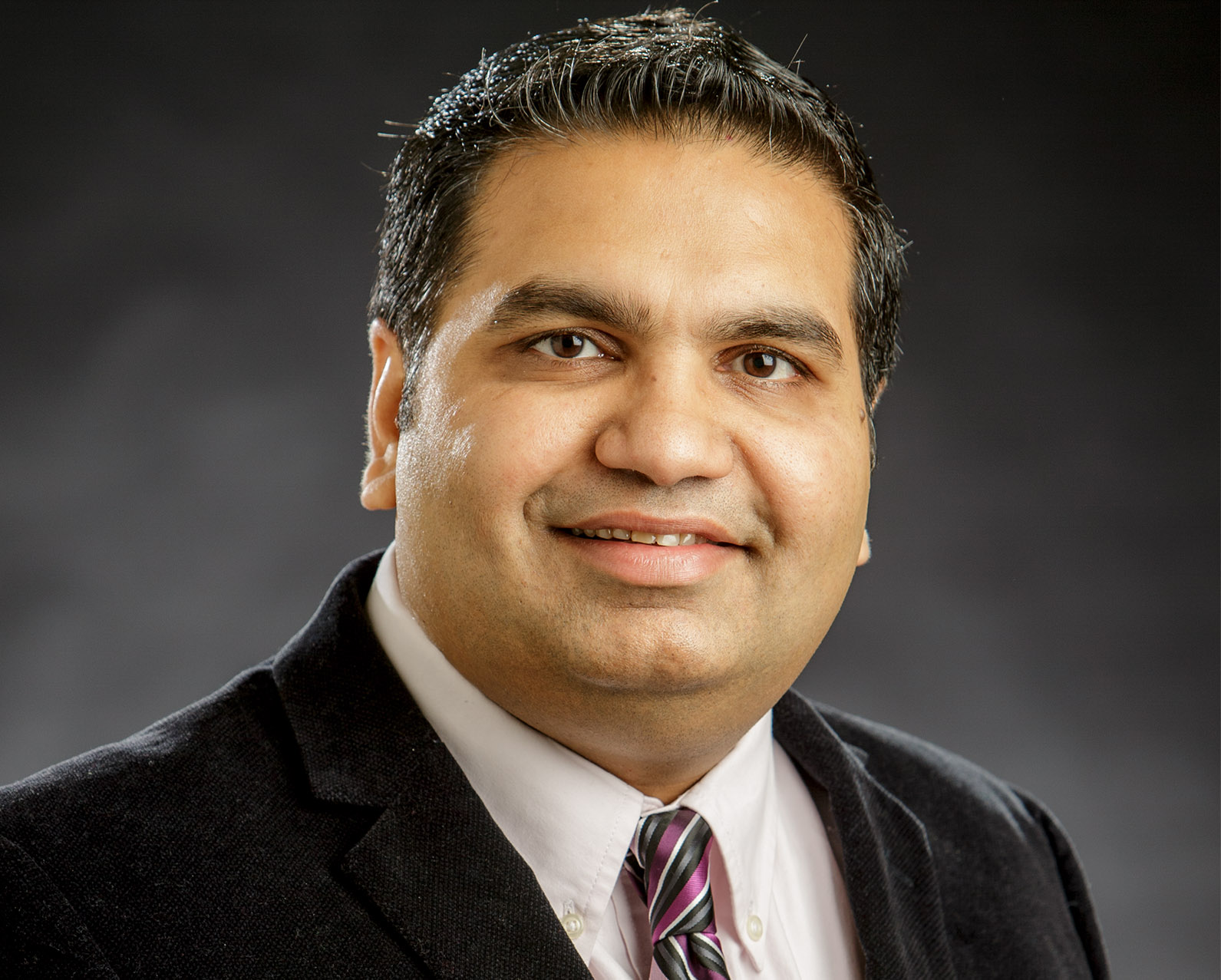 Dr. Hitesh Vora
Dr. Hitesh D. Vora is an Associate Professor in the College of Engineering, Architecture, and Technology at Oklahoma State University (OSU). He is a Director of the Industrial Training and Assessment Center (ITAC) at OSU, funded by the U.S. Dept. of Energy. On April 7, 2023, U.S. Secretary of Energy Jennifer M. Granholm, and Second Gentleman Douglas Emhoff, along with Oklahoma Governor Kevin Stittand other dignitaries, visited Oklahoma State University to announce the creation of the Great Plains Center of Excellence (GPCoE). Dr. Vora will lead this new $7M center as a director who will be housed within OSU's Industrial Training and Assessment Center (ITAC) is one of five competitively selected higher education institutions to serve as Centers of Excellence for DOE's Industrial Training andAssessment Centers (ITAC) Program. Industrial Training and Assessment Center provides no-cost energy audits to small- and mid-sized enterprises (SMEs) such as manufacturing plants, commercial buildings, and water and wastewater treatment plants in Oklahoma, Kansas, Arkansas, and northern Texas to help them reduce energy and waste and increase productivity while training the next generation of energy management professionals.
Dr. Vora has 15+ years of research experience in the area of smart manufacturing and energy engineering and management. Awarded more than $13.28M in funding ($11.76M as a PI) through federal and other grants. Exceptional track record of teaching students for 10+ years in new and innovative ways and 10+ years of industrial experience.
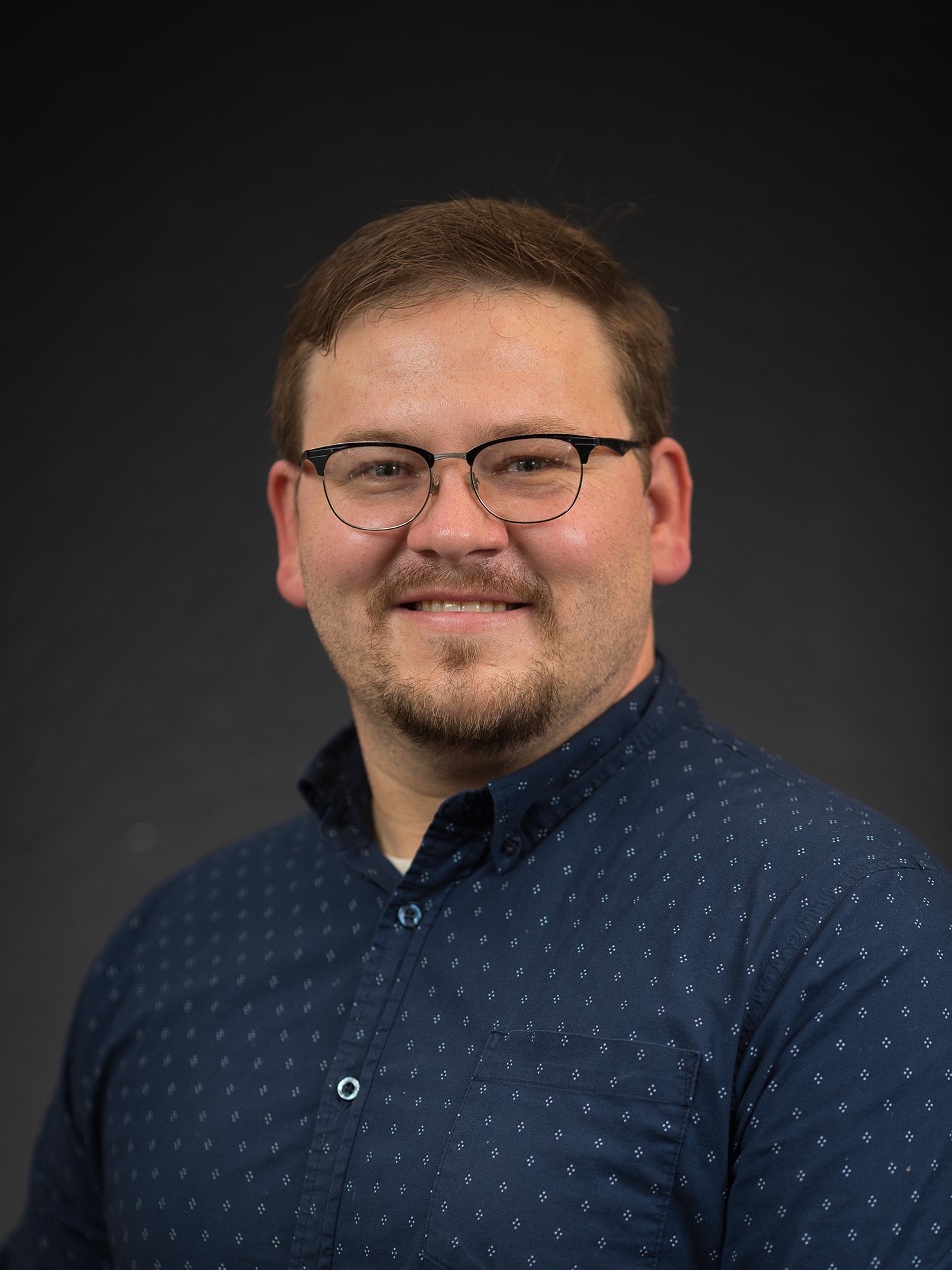 Dr. Jimmie Weaver
Jimmie was born and raised in Oklahoma. He completed B.S. in Chemistry with math and physics minors in 2004 from Southern Nazarene University where he was a defensive lineman on the football team during the team’s early years. After graduating summa cum laude he worked in the immunology lab of Prof. William Hildebrand, OUHSC, where he learned biological techniques, cell culture, ELISA assays, affinity chromatography, etc. After a year, Jimmie joined the chemistry graduate program at the University of Kansas where he worked towards his PhD with Prof. Jon Tunge. There, Jimmie developed Pd-catalyzed decarboxylative coupling reactions. After successful defense of his PhD, Jimmie took a post-doc position with Prof. Jon Ellman at Yale University in 2010. Here, he focused on catalyst development and design for the use in asymmetric sulfinyl-urea catalyzed reactions. In the fall of 2012, Jimmie took an assistant professor position at Oklahoma State University where he has established an independent research program focused on innovative ways of generating and exploiting reactive intermediates and their use in applications such as C–H functionalization, fluorine sculpting, contra-thermodynamic catalysis, and environmental remediation of persistent organic pollutants. In 2017, Jimmie was granted tenure and promoted to an Associate Professor of Chemistry. In 2018, he along with Mr. Joel Roark co-founded a startup company, Weaver Labs, that seeks to exploit a fundamental understanding of chemistry to solve applied problems and to create technologies and inspire innovations so that our environment and communities flourish.
Jimmie has a vibrant and highly innovative research program at OSU that is focused on understanding the chemical principles of photosynthesis and reducing these to implementable strategies that can be exploited such that humans can also accomplish photosynthesis inspired, light driven chemistry.